April 17, 2026
Above ground pools offer a convenient and cost-effective way to enjoy swimming at home. However, maintaining them requires regular attention and care. This article is a guide of essential maintenance tips to make sure above ground pools remain clean, safe, and in good condition year-round. You will learn about daily water care, equipment upkeep, and safety standards that are critical for any pool owner. With dedication to following these procedures, you can enjoy a pristine pool for many years.
1. Regular Cleaning Procedures
1.1 Skimming and Brushing
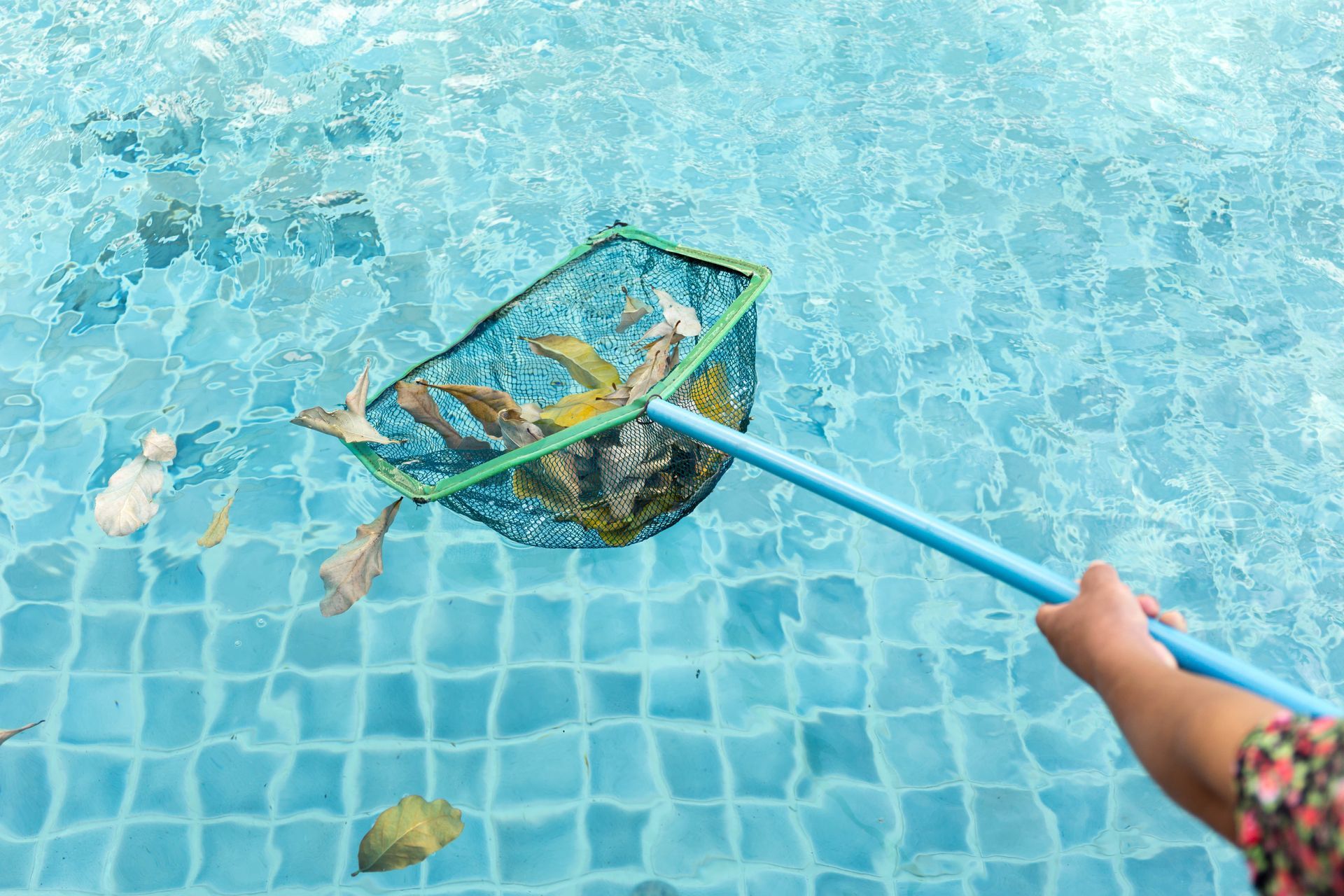
Regular skimming and brushing are essential to maintaining clean above ground pools, removing debris like leaves and insects that affect water quality. Skimming should be done at least 3-4 times a week, especially during peak swimming season, while brushing the walls weekly prevents algae buildup and keeps surfaces visually appealing. These routines reduce strain on filtration systems, helping pumps operate efficiently and prolonging their lifespan. Focusing on corners and crevices ensures no debris is left behind, maintaining both water clarity and hygiene. Consistency in skimming and brushing prevents more significant problems and supports overall pool health. According to Fox Homes Team, an estimated 8% of US households have a swimming pool, highlighting the importance of regular maintenance for these investments.
1.2 Vacuuming the Pool
Vacuuming complements skimming and brushing by removing settled debris from the pool floor, with manual vacuums allowing targeted cleaning of corners and steps. Automatic or robotic systems offer convenience, systematically cleaning the pool with minimal effort, making them ideal for busy schedules. Weekly vacuuming during periods of heavy use maintains water clarity and reduces bacterial growth. Choosing between manual and automatic systems depends on budget and lifestyle, but both require consistent use for optimal results. Regular vacuuming ensures a clean, inviting pool and supports the effectiveness of the filtration system.
1.3 Cleaning the Pool Filter
The pool filter captures debris and contaminants that skimming and vacuuming miss, making it crucial for maintaining water quality. Sand filters need backwashing when pressure rises, cartridge filters require rinsing and occasional replacement, and D.E. filters need periodic backwashing and powder replacement. Regular monthly cleaning prevents pump strain and ensures efficient circulation, reducing the risk of algae and cloudy water. Adhering to manufacturer guidelines minimizes health risks and prolongs the life of the filtration system. A well-maintained filter is essential for clear, safe, and enjoyable swimming conditions.
1.4 Maintaining Proper Water Circulation
Good water circulation spreads chemicals evenly and moves debris to the filtration system, preventing bacterial and algae buildup. Running pumps and filters daily during peak seasons and adjusting return jets ensures efficient flow and avoids dead zones. Routine inspections detect blockages or equipment issues early, keeping circulation optimized and energy use efficient. Proper maintenance of pumps, filters, and plumbing supports chemical performance and overall water health. Strong circulation protects the pool environment, extending equipment life and enhancing the swimming experience.
1.5 Managing Pool Cover Cleanliness
A clean pool cover prevents debris from entering the water while reducing evaporation and chemical loss. Covers should be cleaned monthly and inspected for damage or wear, especially after weather events, to maintain effectiveness. Plastic or fabric covers benefit from gentle washing, while damaged areas should be repaired promptly to prevent contamination. Securing the cover properly enhances its protective role and reduces the frequency of pool cleaning. A clean cover also helps protect the water in above ground pools from debris and chemical imbalances.
2. Monitoring and Balancing Water Chemistry
2.1 Testing Pool Water Regularly
Weekly water testing is critical for safe swimming, measuring pH, alkalinity, and sanitizer levels with test strips, liquid kits, or digital testers. Additional testing should follow heavy pool use, weather events, or unusual water changes to detect imbalances promptly. Accurate readings allow timely chemical adjustments, preventing cloudy water, corrosion, or algae growth. Digital testers or high-quality kits improve precision and help establish trends for ongoing pool care. Routine testing is essential for all above ground pools to ensure water remains balanced and safe.
2.2 Adjusting pH Levels
Maintaining pH between 7.2 and 7.6 protects swimmers and pool equipment, preventing irritation, cloudiness, or surface corrosion. Adjusters like sodium carbonate or sodium bisulfate correct imbalances, while pH controllers can automate this process for convenience. Proper pH enhances chlorine effectiveness, supporting overall sanitation and water clarity. Regular monitoring allows for timely adjustments, reducing chemical waste and equipment damage. Keeping pH balanced ensures a comfortable, healthy, and safe swimming environment.
2.3 Managing Alkalinity
Total alkalinity stabilizes pH and prevents rapid fluctuations that can damage pool surfaces and reduce sanitizer effectiveness. Alkalinity management is closely tied to pH, and careful monitoring prevents cascading chemical imbalances. Routine testing ensures consistent water chemistry, protecting both equipment and swimmer safety. Maintaining balanced alkalinity promotes a stable, clear, and healthy pool environment.
2.4 Chlorine Levels and Alternatives
Chlorine maintains a sanitary pool environment by keeping bacteria and pathogens in check, with optimal levels between 1-3 ppm. Regular testing ensures proper dosing and prevents over- or under-chlorination, both of which can cause swimmer discomfort or unsafe water. Saltwater generators, UV sanitizers, and ozone systems offer alternative or supplemental sanitation methods. Regardless of the system, consistent maintenance and monitoring are key to effectiveness. Proper sanitizer management ensures a safe, clean, and enjoyable swimming experience.
2.5 Handling Calcium Hardness
Calcium hardness impacts water clarity and prevents surface corrosion or scaling, with an ideal range of 200-400 ppm. Low levels can damage pool surfaces, while high levels lead to unsightly scaling on walls and fixtures. Adjustments with calcium chloride or water dilution maintain proper hardness depending on regional water composition and pool type. Routine testing alongside other chemical parameters ensures a balanced and stable pool ecosystem. Managing calcium hardness protects both the pool’s structure and water quality for long-term enjoyment.
3. Equipment Maintenance
3.1 Inspecting Pool Pumps
Routine pump inspections prevent mechanical failures that disrupt circulation and water quality. Focus on cleaning the strainer basket, checking seals, and monitoring motor performance to detect wear or leaks early. Proper maintenance reduces energy consumption and extends the life of the pump while ensuring consistent water flow. Addressing minor issues promptly prevents costly repairs and supports overall pool function. Consistent pump care safeguards circulation efficiency and contributes to a healthy, clean pool.
3.2 Maintaining Pool Heaters
Regular maintenance of gas, electric, or heat pump heaters ensures reliable performance and extended lifespan. Cleaning burners, heat exchangers, evaporator coils, and monitoring water flow prevents breakdowns and maintains efficiency. Inspecting gas lines, pilot lights, heating elements, and refrigerant levels keeps the system operating safely and effectively. Following manufacturer guidelines and performing seasonal checks reduces the risk of costly repairs. Proper heater care ensures comfortable water temperatures and maximizes swimming enjoyment.
3.3 Caring for Pool Ladders and Accessories
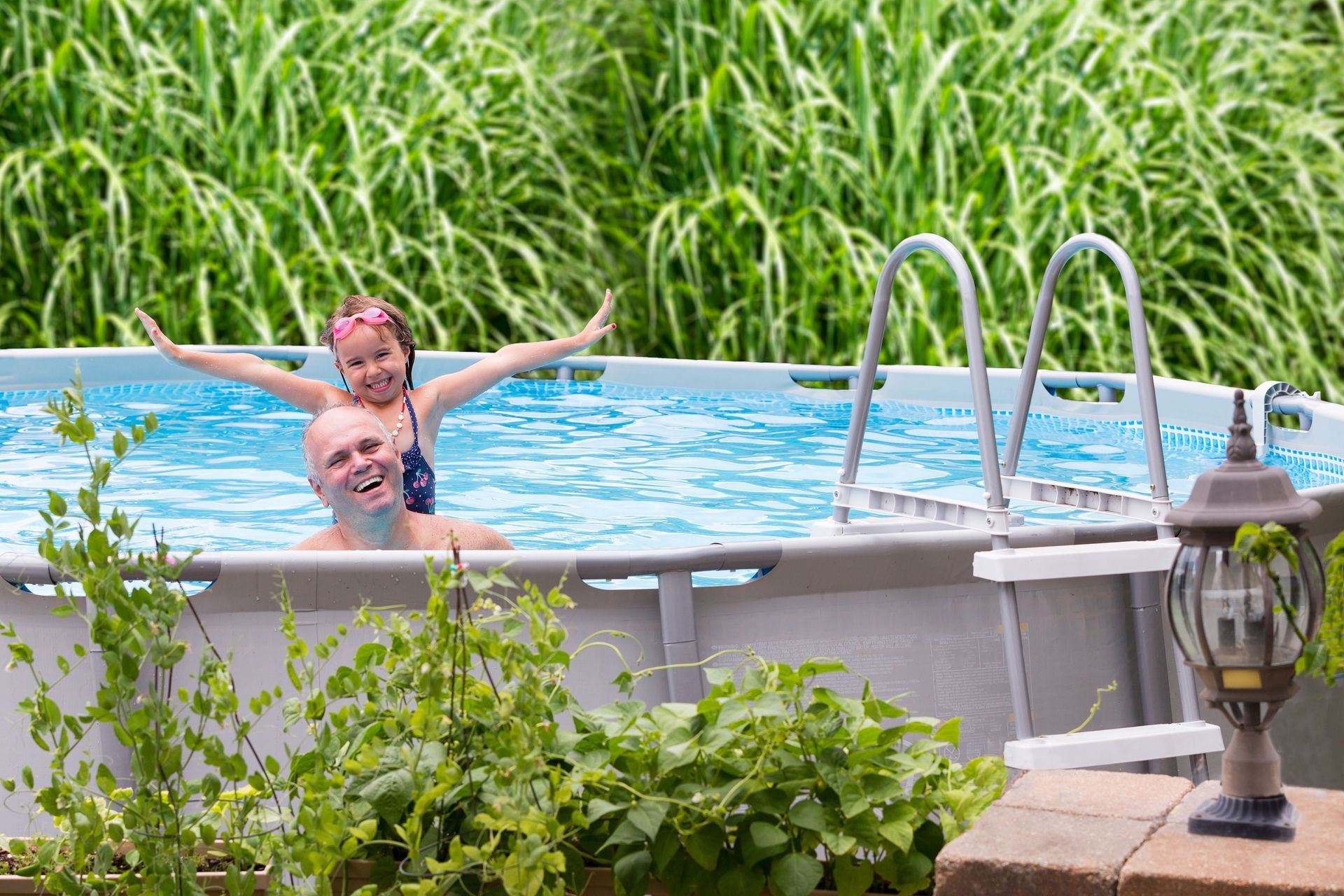
Pool ladders, steps, and accessories require regular inspection to ensure safety and longevity, checking for rust, loose screws, or structural damage. Plastic or resin parts should be cleaned to prevent algae buildup, while metal components may need protective coatings to avoid corrosion. Securing all accessories according to the manufacturer's instructions reduces the risk of accidents. Routine attention prolongs the lifespan of these components and maintains a safe swimming environment. Proper care of ladders and accessories supports the overall maintenance of your above ground pool.
Maintaining above ground pools involves a combination of cleaning, chemical management, and equipment care to ensure safe and enjoyable swimming conditions. Consistency in skimming, vacuuming, and filter maintenance keeps the water clear, while proper circulation and chemical balance prevent algae, corrosion, and irritation. Attention to equipment, including pumps, heaters, ladders, and covers, extends lifespan and reduces repair costs. Regular monitoring and proactive adjustments allow pool owners to respond quickly to any issues. By following these practices, your above ground pools will remain a safe, clean, and inviting space for years of enjoyment. Keep your above ground pool sparkling all season with expert care from Viscount Pools & Spas!