October 13, 2026
The weather can change pool water chemistry faster than many homeowners expect. Temperature, rain, humidity, wind, and sunlight can all affect sanitizer levels, water concentration, debris, and equipment performance. Understanding these changes helps pool owners respond before cloudy water, algae, or equipment problems develop. According to RubyHome, there are 10.7 million swimming pools in the United States, making practical pool care an important part of maintaining these popular backyard spaces. Using the right pool chemicals also helps homeowners respond to changing conditions.
Understand Temperature-Related Changes
Monitor Chlorine Levels
Warm weather can cause chlorine to be consumed more quickly because higher temperatures encourage faster chemical reactions and create conditions that support contaminants. Homeowners may need to test chlorine more frequently during hot periods to make sure the water remains properly sanitized. Cooler temperatures generally slow chlorine consumption, but regular testing is still important when seasonal conditions change. Adjusting pool chemicals based on test results can help maintain proper sanitation.
Maintain Proper pH Balance
Temperature changes can also contribute to shifts in pH. When water chemistry moves outside the recommended range, chlorine may become less effective, while swimmers can experience irritation, and pool surfaces may be affected. Regular testing allows homeowners to identify changes early and make appropriate adjustments before they become larger water-quality problems.
Check Total Alkalinity
Total alkalinity helps stabilize pH, making it an important part of maintaining balanced water. Temperature changes, evaporation, and chemical use can influence alkalinity over time. Testing this level regularly can help prevent significant pH fluctuations and reduce the risk of conditions that may affect pool surfaces or equipment. Properly selected pool chemicals can help correct imbalances when needed.
Adjust Maintenance Routines
Temperature changes are easier to manage when testing becomes part of a consistent maintenance routine. Homeowners should monitor chlorine, pH, and alkalinity and make adjustments based on current conditions rather than relying on a fixed schedule. Professional guidance can also help determine appropriate maintenance practices for changing seasonal temperatures.
Manage Precipitation-Related Changes
Account for Rainwater Dilution
Rain can dilute the chemicals already present in a pool, particularly after a heavy storm. Large amounts of fresh water can change sanitizer and pH levels, making testing important after significant rainfall. Pool owners should check the water before making adjustments so they can address the specific changes caused by the storm.
Remove Organic Contaminants
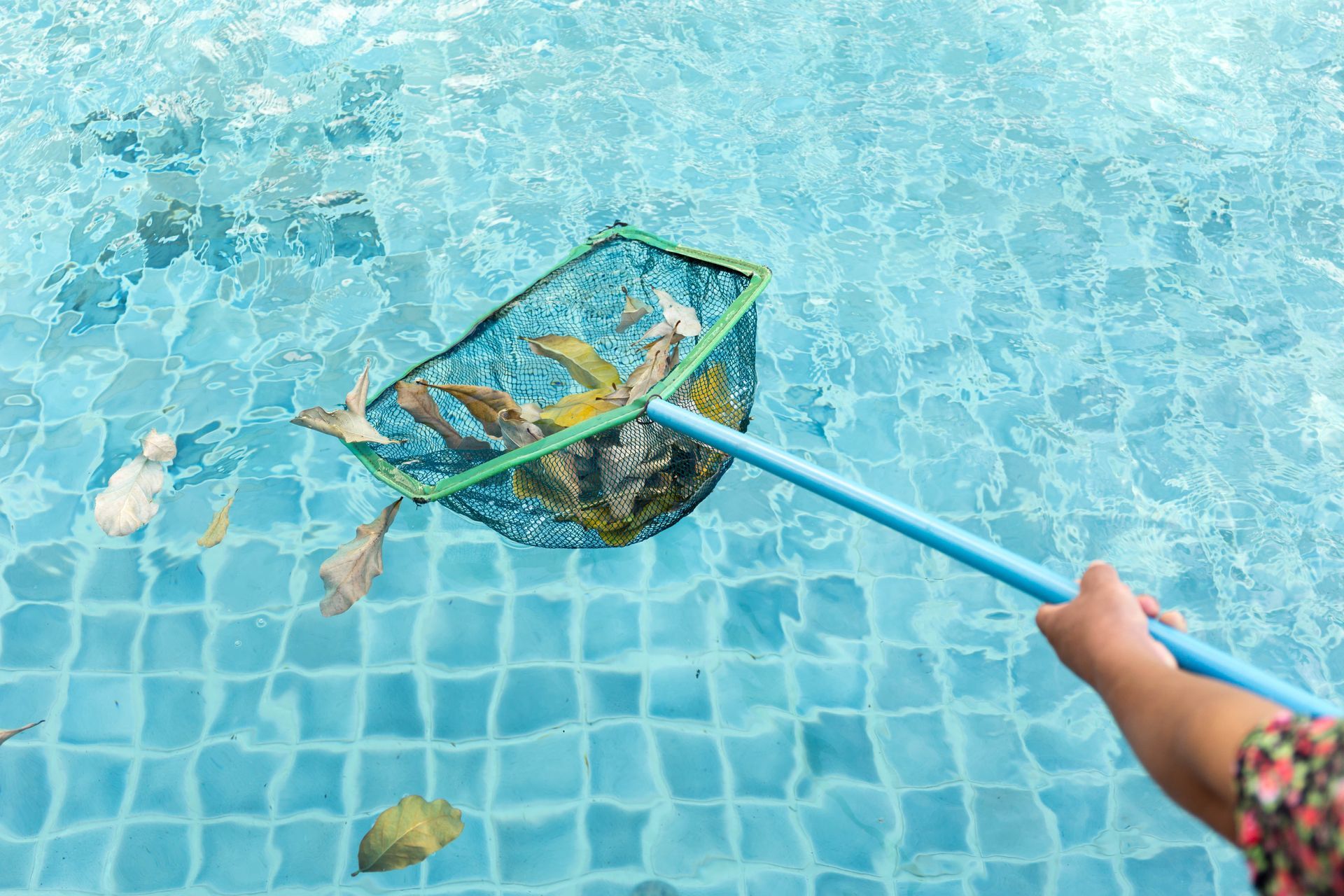
Rain can also carry pollen, leaves, dirt, and other organic material into the water. These contaminants can contribute to cloudy water and create conditions that support algae growth. Skimming the surface, cleaning the pool, and checking the filtration system after storms can help reduce the impact of this debris. Testing pool chemicals after major storms can also reveal whether additional adjustments are necessary.
Prepare for Rainy Periods
Frequent storms may require more attention to water testing and physical cleaning. Keeping necessary maintenance supplies available and checking the pool after major weather events can make it easier to address changes before they affect water quality. A cover can also help limit the amount of debris entering the pool during some storms.
Manage Humidity-Related Changes
Track Water Evaporation
Humidity affects how quickly water evaporates from a pool. Dry conditions can increase evaporation, causing water levels to fall and dissolved substances to become more concentrated. High humidity generally slows evaporation. Monitoring water levels and testing the water when conditions change can help homeowners recognize when adjustments may be needed.
Watch for Algae Growth
Warm, humid weather can create favorable conditions for algae when other maintenance factors are not properly controlled. Keeping surfaces clean, maintaining circulation, and monitoring sanitizer levels can help reduce the risk. Consistent maintenance is particularly important during extended periods of warm and humid weather, when pool chemicals may need more frequent monitoring.
Inspect Pool Equipment
Moisture can contribute to corrosion and deterioration of some pool equipment and metal components. Routine inspections can help identify rust, corrosion, or other signs of wear before they become more serious. Addressing equipment concerns promptly also supports consistent filtration and circulation.
Address Wind-Related Challenges
Remove Windblown Debris
Strong winds can send leaves, grass, dirt, and other debris into the pool. This adds work for the filtration system and can introduce contaminants into the water. Skimming and vacuuming after particularly windy periods can help keep debris from accumulating.
Maintain Water Circulation
Good circulation helps distribute chemicals throughout the pool and supports filtration. Wind itself does not typically stop circulation, but debris and weather-related equipment issues can interfere with normal operation. Homeowners should check that pumps, filters, and other components continue working properly after severe weather.
Reduce Heat Loss
Wind can increase heat loss from the water surface, particularly when combined with cooler temperatures. A properly used pool cover can reduce exposure to wind and help limit evaporation. Maintaining a more consistent water temperature can also make ongoing maintenance easier.
Manage Sunlight-Related Changes
Protect Chlorine From UV Rays
Direct sunlight can break down chlorine through ultraviolet radiation, reducing the amount available to sanitize the water. Pools that receive substantial sunlight may therefore require closer monitoring of sanitizer levels. Using an appropriate stabilizer, when recommended for the pool system, can help reduce chlorine loss caused by UV exposure.
Monitor Water Temperature
Sunlight can raise water temperatures, which can contribute to faster evaporation and increased demand on the sanitation system. Monitoring water temperature alongside other chemistry levels helps homeowners understand why chemical readings may change during extended periods of sunny weather.
Limit Excessive Exposure
Pool covers can reduce direct sunlight and evaporation when the pool is not being used. The right cover can also help conserve water and reduce exposure to environmental debris. Homeowners should follow the cover manufacturer's instructions and use covers appropriately for their pool.
Test Water Consistently
Rather than assuming chemical levels will remain stable, homeowners should test the water regularly during periods of intense sunlight. Consistent testing makes it easier to identify chlorine loss and other changes before they affect water clarity or swimmer comfort. This can also indicate when pool chemicals need to be adjusted.
Prepare for Extreme Weather Events
Respond to Heavy Flooding
Flooding can introduce large amounts of dirt, debris, and contaminants into a pool while also diluting existing chemicals. After a significant flood or overflow, homeowners should assess the pool and equipment before attempting to resume normal use. Water testing and thorough cleaning may be necessary to restore appropriate conditions.
Protect Equipment During Storms
Severe storms can damage pool equipment or interrupt the electricity needed for pumps and filtration systems. Homeowners should follow manufacturer and professional guidance for protecting equipment during severe weather. Once conditions are safe, inspecting the system can help identify problems that need attention.
Conserve Water During Droughts
Drought conditions can make water conservation especially important. Evaporation can lower pool water levels and increase the concentration of substances remaining in the water. Using a cover when appropriate, monitoring water levels, and testing chemistry regularly can help homeowners manage these conditions responsibly.
Keep Pool Water Ready for Enjoyment
Weather is an unavoidable part of pool ownership, but its effects can be managed with consistent care. Temperature, precipitation, humidity, wind, and sunlight can all influence water quality and maintenance needs. By testing regularly, removing debris, monitoring equipment, and adjusting maintenance practices as conditions change, homeowners can help keep their pools clean and ready for use. Keeping the right pool chemicals available can also make it easier to respond to changing water conditions.
For homeowners who want dependable guidance and quality pool care products, Viscount Pools & Spas can help with solutions for maintaining a clean, balanced swimming environment. Contact Viscount Pools & Spas to learn more about keeping your pool in excellent condition through every season.